During Art Basel: Why I Paint "Black & Blue: The Police & Black America', The Reality of American Policing

George Floyd, Acrylic on Canvas
As the global art world descends on Miami for Art Basel, the conversation naturally drifts toward the spectacle: the sales, the parties, and the "hot" new trends. But while the market celebrates the ephemeral, the role of the artist remains rooted in the permanent, the duty to document, to witness, and to hold a mirror to the society that surrounds us.
In 2022, I debuted my series "Black & Blue: The Police & Black America" as a complete body of work at the Spring Break Art Fair in Los Angeles. It was an immersive installation that refused to look away from the fracture between law enforcement and Black communities. Today, as I unveil new works in this ongoing series, the context has not changed, and neither has the urgency.
The Historical Through-Line: From Slave Patrols to Squad Cars
To understand "Black & Blue," you must understand the history it critiques. The modern American police force did not emerge in a vacuum; in the South, it traces its lineage directly to the "Slave Patrols" of the 1700s. These squads were not created to protect public safety in the abstract; they were created to protect property, specifically, human property. Their mandate was to terrorize, surveil, and control the movements of Black bodies.
Centuries later, the uniforms have changed, but the systemic DNA remains. We see this in the corrupt practices that shield bad actors, the "Blue Wall of Silence," and the militarization of local precincts. We see it in the fake statistics often cited to justify over policing, narratives that paint Black men as inherently violent to retroactively excuse state brutality.
The reality, often obscured by these narratives, is that violence is not a racial trait. Statistical evidence consistently shows that white men commit the majority of violent acts in this country, yet they are rarely policed with the same preemptive lethal force. My art challenges this cognitive dissonance. It asks the viewer: Who is actually the danger here?
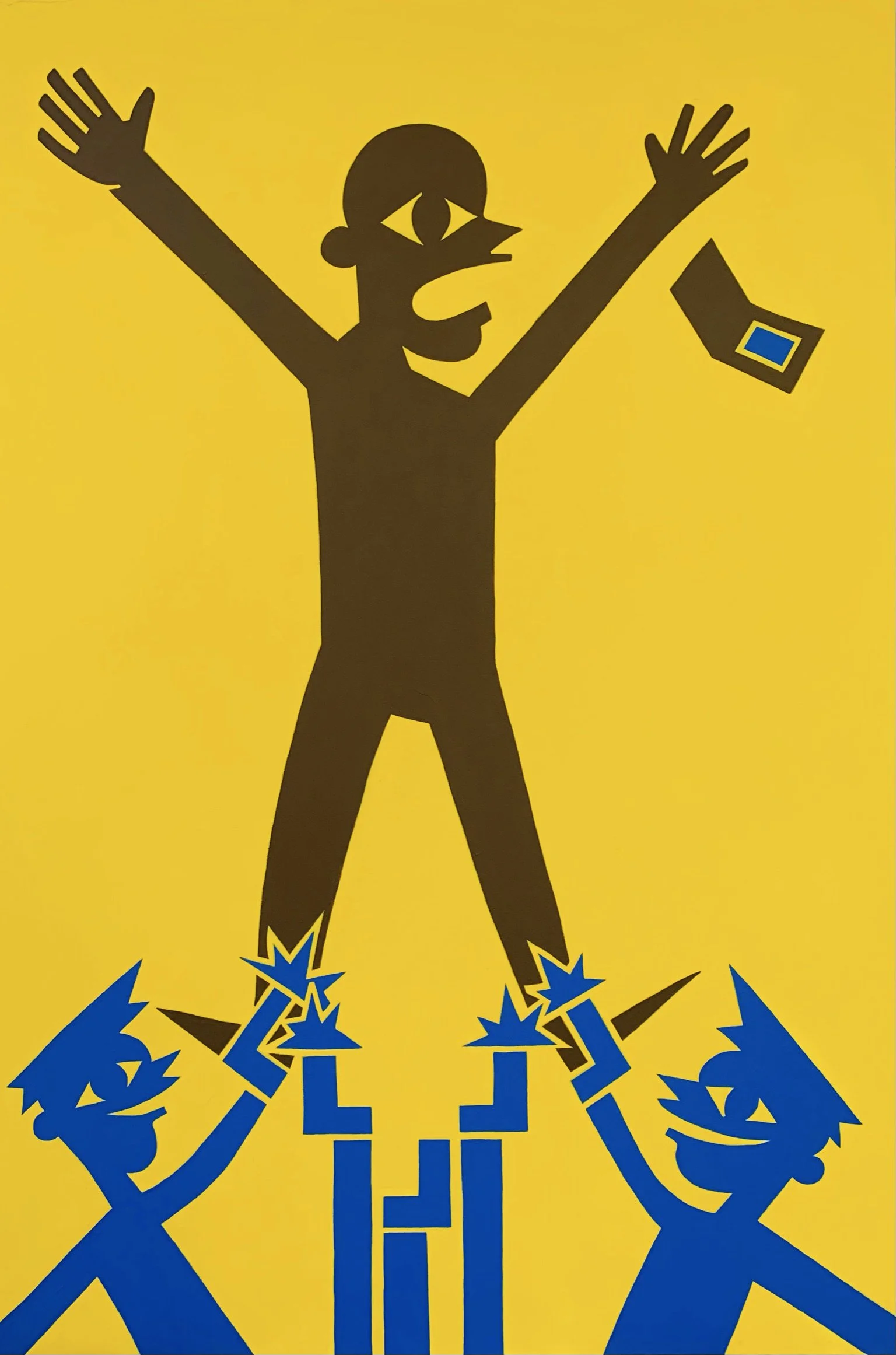
Amadou Diallo, Acrylic on Canvas
A Critical Breakdown: Ancient Figurative Minimalism
My aesthetic approach, which I call Ancient Figurative Minimalism, is a deliberate strategic choice.
When an artist depicts Black trauma with hyper realism, the viewer often looks away. The horror is too immediate, too visceral. To bypass this defense mechanism, I use a visual language inspired by the flatness and narrative clarity of Ancient Mayan, Egyptian, Indian, and Ethiopian art.
The Palette: I use a disarming, bright yellow background, a color typically associated with caution or cowardice, but here used to highlight the inescapable visibility of the violence.
The Figures: The police are rendered in a uniform, flat blue. They are not individuals; they are representatives of a system. They are often depicted with exaggerated, grinning features, a nod to the sadistic joy often found in the abuse of power. The victims are rendered in various shades of brown, stripped of defense, often in poses of surrender or agony.
The Composition: The geometry is precise. There is no background noise, no scenery to hide behind. The focus is entirely on the interaction between the oppressor and the oppressed.
Take, for example, my painting of Breonna Taylor. The composition is stark. The blue figures are an overwhelming, multi-headed force, their weapons drawn, invading a domestic space. The figure of Taylor is silhouetted, defined by the violence acting upon her. The style lures the eye in with its graphic "pop" appeal, only to trap the viewer in the devastating reality of the subject matter. It is a "Trojan Horse" aesthetic, beauty used to deliver a hard truth.
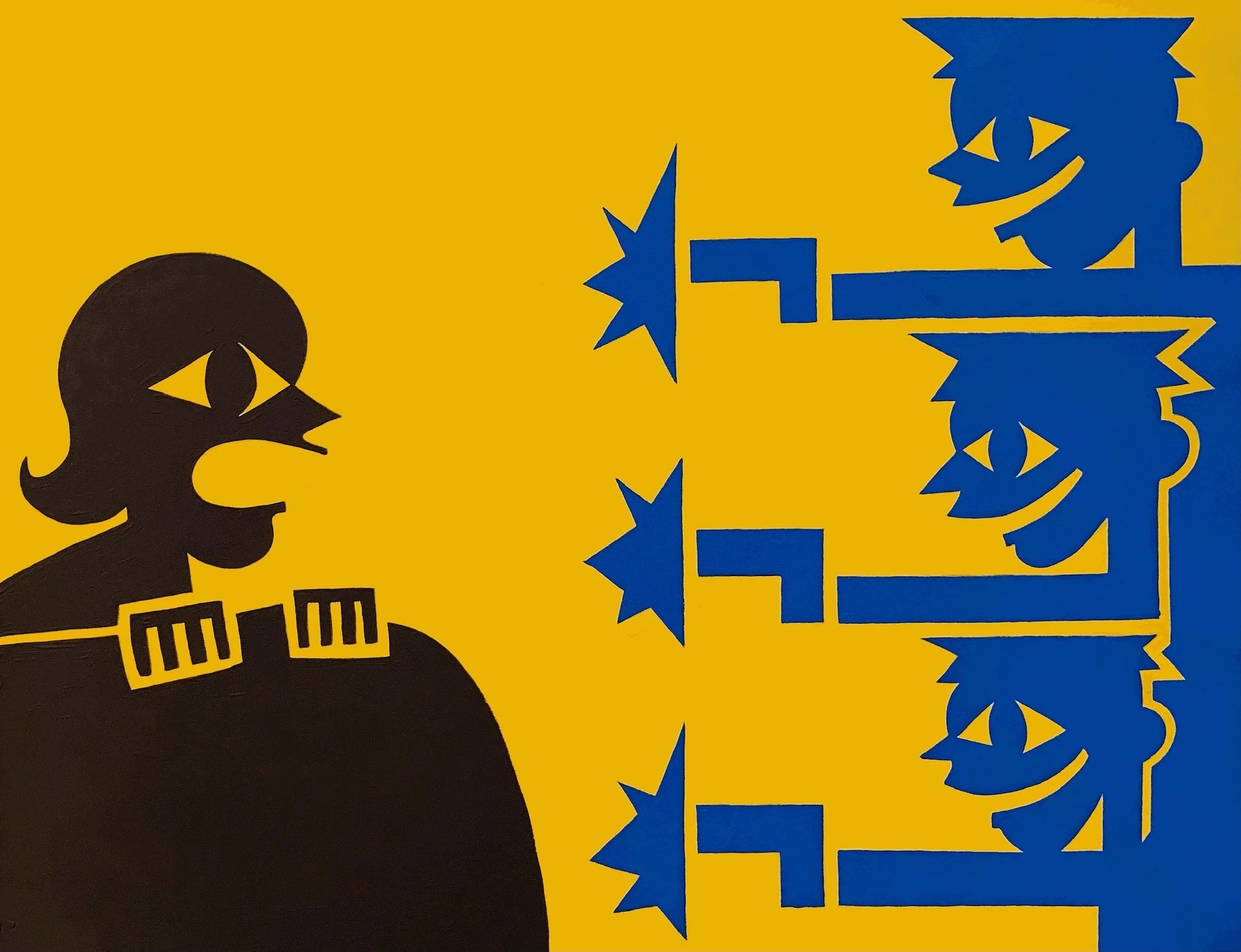
Breonna Taylor, Acrylic on Canvas
The New Works and The Digital Retrospective
Since the 2022 exhibition, I have continued to expand this series. The narrative of police brutality is not a closed chapter; it is a story on repeat.
For those who did not see the original installation in Los Angeles, I am sharing a video walkthrough below. It captures the scale and the suffocating density of the names on the wall, a memorial to those we have lost.
Included in this article are also images of my newest pieces, works that further explore the psychological toll of this "war" on Black America. These paintings are not just protests; they are historical artifacts of our time, designed to outlive the news cycle and the current administration.
Art Basel is a celebration of creation. "Black & Blue" is a reminder of destruction. Both are necessary parts of the cultural dialogue. I invite you to look, to read, and to sit with the discomfort.
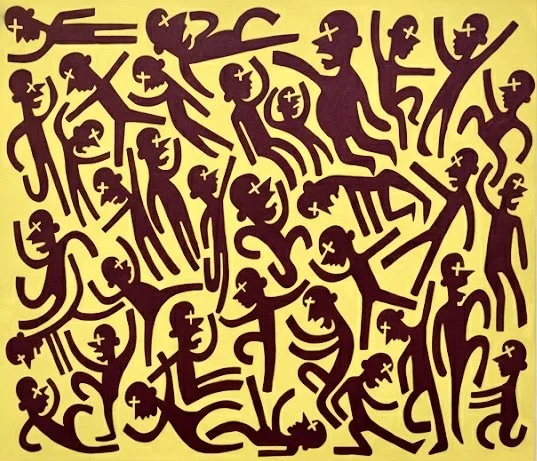
Dead Black Men, Acrylic on Canvas

Hit It From The Back, Acrylic on Canvas
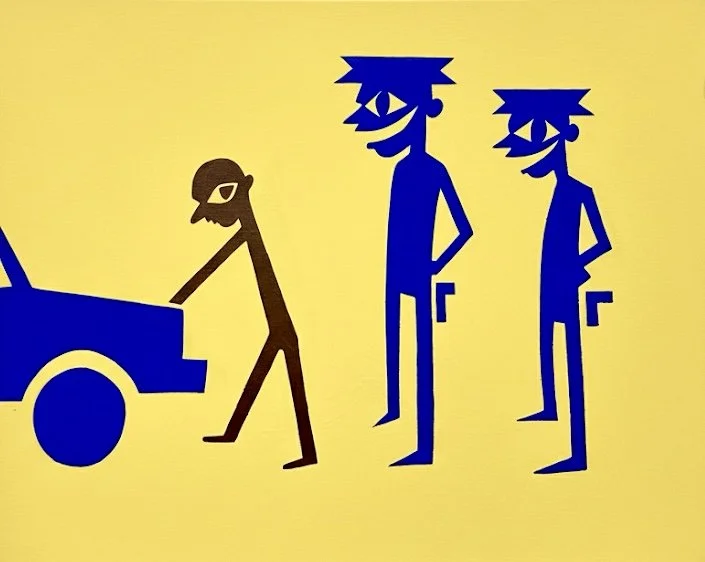
You Never Forget Your First Time, Acrylic on Canvas
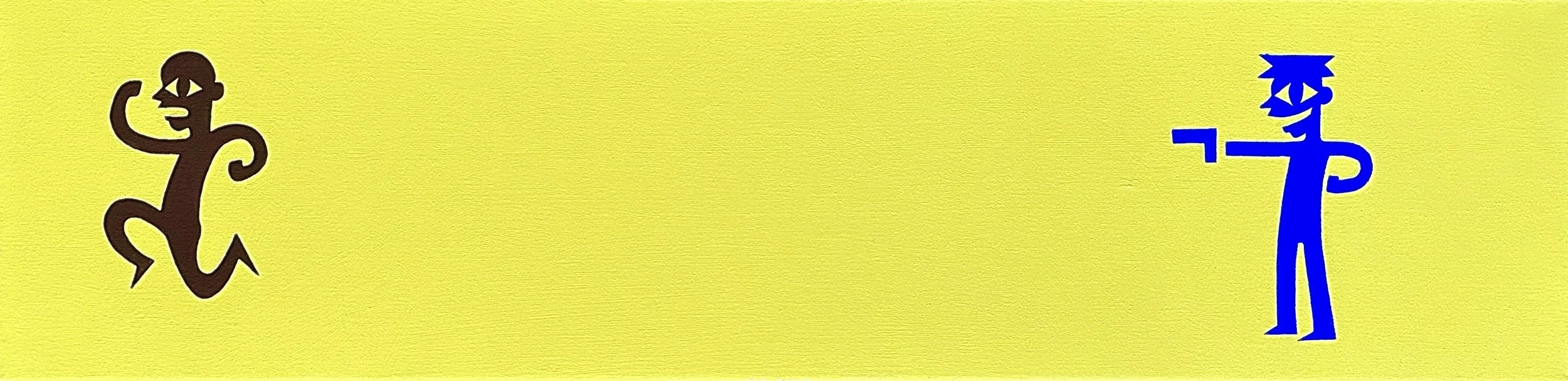
Run Ni**ga, Acrylic on Canvas
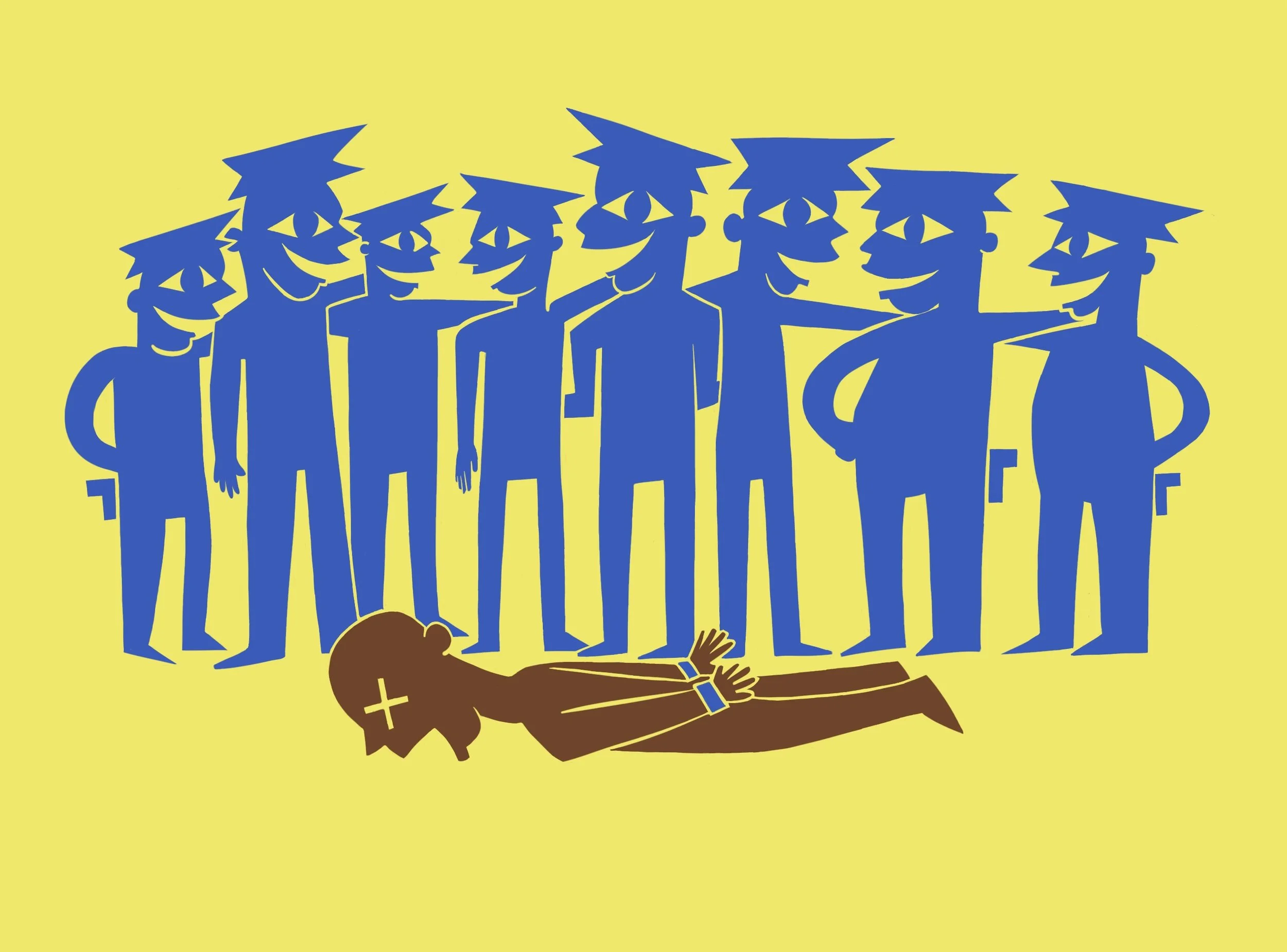
Jayland Walker, Digital Drawing
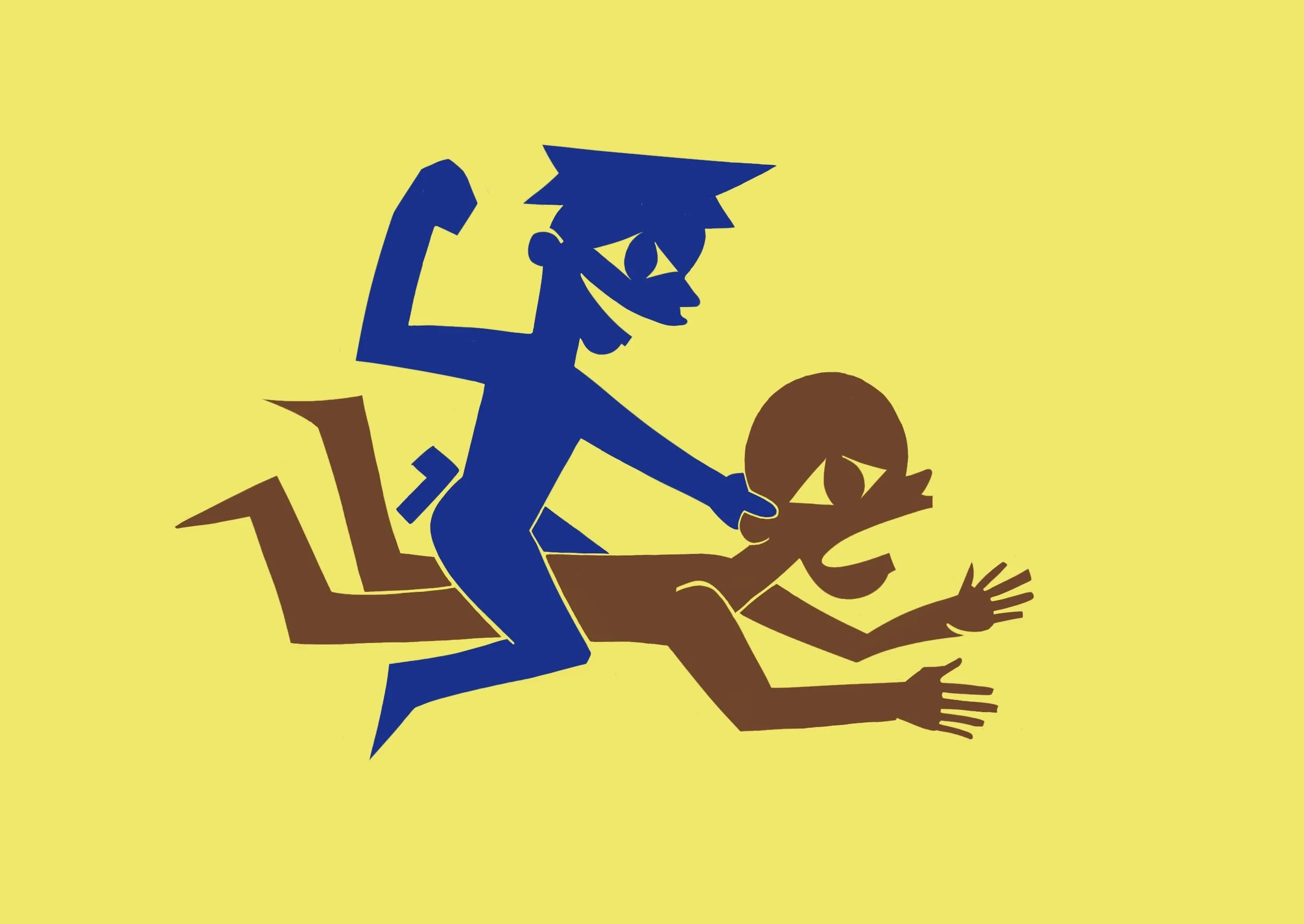
Just Another Day On The Job, Digital Drawing
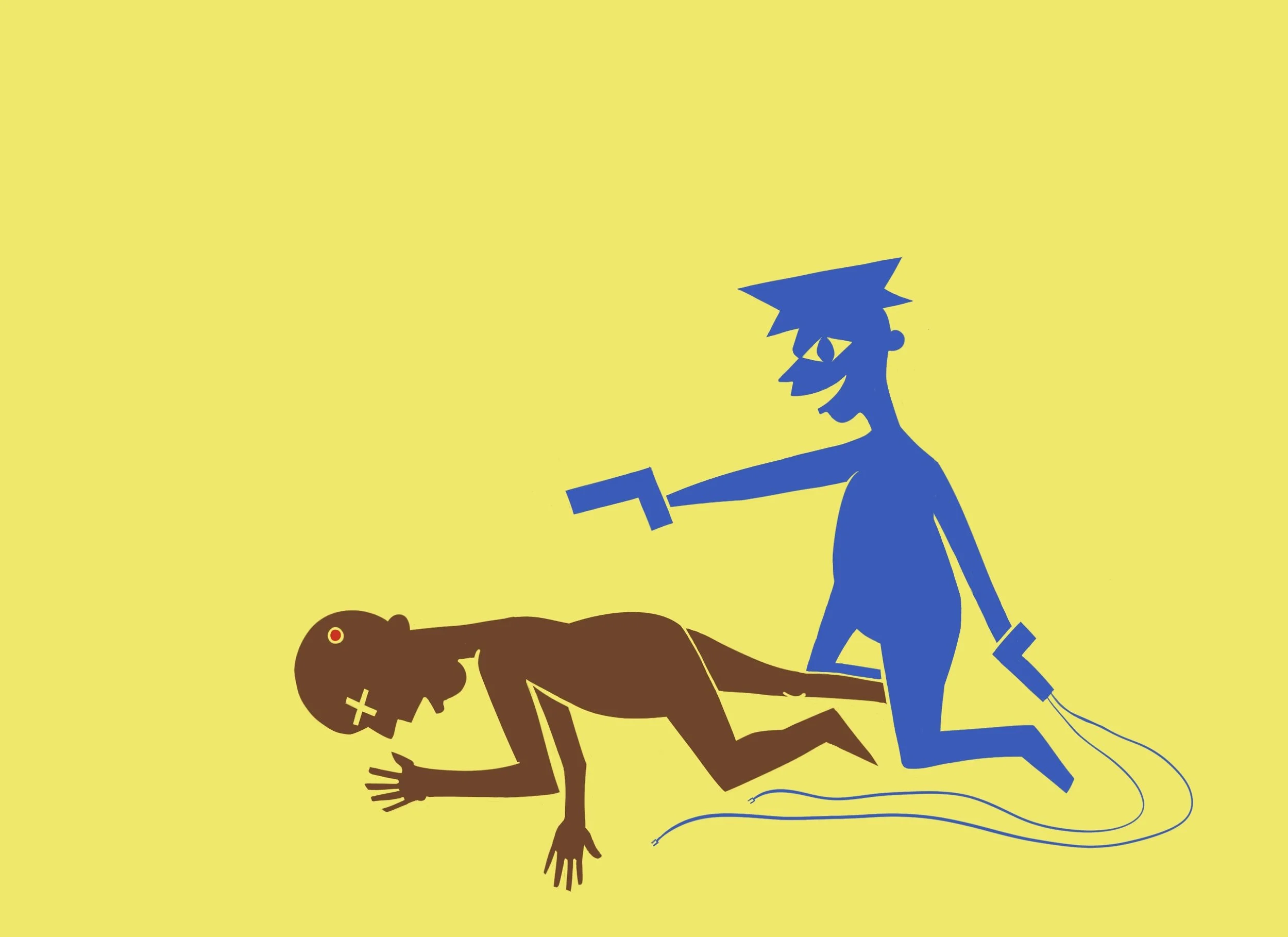
Patrick Lyoya, Digital Drawing
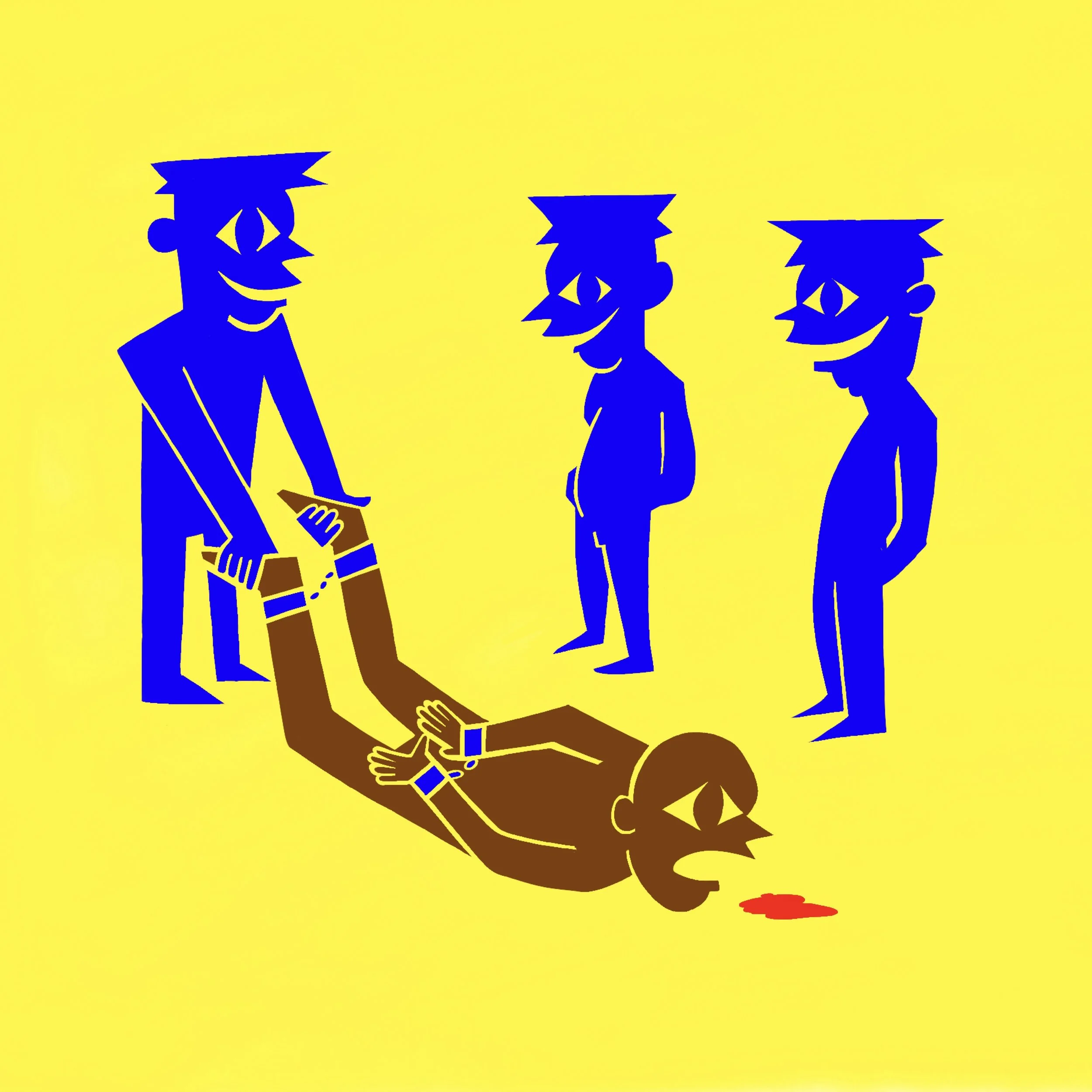
Ronald Hardin, Digital Drawing

Sonya Massey, Digital Drawing